


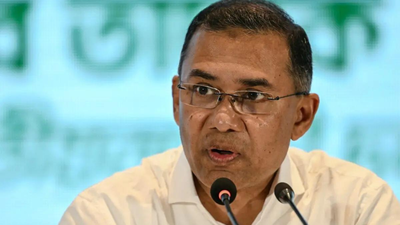
NEW DELHI: BJP’s successful “double engine” configuration in West Bengal will rid the Centre of state-level encumbrances it found difficult to navigate in ties with Bangladesh, opening space for more robust cooperation in areas like water management, border, trade, connectivity and security. A Delhi-Kolkata alignment leading to a more responsive India on bilateral issues would likely be appreciated by Bangladesh PM Tarique Rahman, who wants the relationship to benefit the common people on both sides. However, with politics in Bangladesh often mirroring developments across the border, the BJP government in West Bengal will need to forestall any hostile majoritarianism, while exercising restraint on some of the issues that the party’s campaign focused, including illegal immigration, threat of mass deportations, unilateral border fencing and CAA-NRC implementation. As Dhaka has stressed, ties at the government level are warming, but the real challenge amid efforts for a reset in ties is to build better understanding in the eyes of the public about complexities in the relationship through positive signalling. This is particularly true for India when former PM Sheikh Hasina has turned from an asset into a liability and the Islamist Jamaat-e-Islami party has made a dramatic comeback as the principal opposition to the ruling BNP. A strong backlash from Jamaat and hardliners in Rahman’s own party against intensified identity politics and deportations from across the border cannot be ruled out. This would be of concern to India because of the presence of a large Hindu minority in Bangladesh. The likelihood of the BJP forming a government in West Bengal was raised in Parliament last week, with a leader of the student-led NCP saying that the BJP will “push all the Bangladeshis into Bangladesh”, creating a major refugee crisis for the country. The new government also can’t be oblivious to the geopolitical consequences of its actions or unfettered nationalist rhetoric on hot-button issues like illegal immigration. Seeing Dhaka slide into China’s orbit, with Beijing emerging as not just an economic but also a major security partner for Bangladesh, will hurt India’s core interests in the neighbourhood. Amongst the diplomatic upsides is an opportunity now for the Centre to work towards the implementation of the 2011 Teesta river water-sharing agreement that was blocked by TMC leader Mamta Banerjee. The deal may not transform the relationship overnight but can act as a significant confidence-building measure at a critical juncture in the relationship. The Centre may want to study the implications for north Bengal farmers but not allowing the deal to go through for long will be seen by Dhaka as a major breach of trust. Progress on the Teesta agreement could also mean Dhaka being more amenable to Indian suggestions in ongoing negotiations for the renewal of the 1996 Ganges water sharing treaty. Similarly, India’s border infrastructure and rail and road connectivity push in ties with Bangladesh, which acts as an indispensable development and connectivity partner in India’s northeast, could benefit from a compliant government in Kolkata. State-level cooperation is essential for addressing issues related to customs, crossings, roads, rivers and trade facilitation. The Bengal outcome will also strengthen the hands of India’s new high commissioner in Dhaka Dinesh Trivedi, a rare political appointee who is a BJP leader from the state.The BNP government may sense an opportunity in a more cohesive Indian approach to its energy, trade and transit ties with Dhaka that is unburdened by federal impediments. For India to reap the benefits though, it’s important that the “double engine” joins the Centre in speaking in one voice, instead of getting carried away by the campaign rhetoric. Otherwise, there night be a diplomatic cost to pay.
