


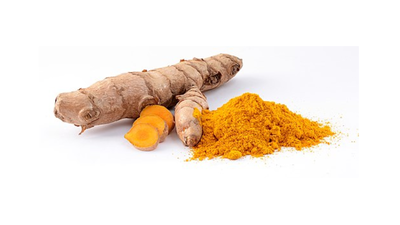
Turmeric, however, is more than just a spice used in cooking; it can be one of the most powerful allies in your garden, albeit in an unassuming manner. For ages, turmeric has been used in conventional farming techniques to control pests and safeguard plants. Modern science has validated these conventional techniques, confirming that turmeric indeed possesses insecticidal, antifungal, and antibacterial agents. If you are looking for an eco-friendly method to safeguard your precious plants, then turmeric can be an easy and viable option.
Turmeric as a natural pest repellent in the garden
One of the biggest advantages of using turmeric in gardening is its ability to repel pests naturally. A study done by the University of British Columbia has shown that Curcuma longa, which is also known as turmeric, has “well-known insecticidal and repellent effects on insect pests”Another research study shows turmeric to be a promising natural ant repellent, which protects without harming the environmentHow to use turmeric in garden:
- Turmeric can be used in the following ways:
- Sprinkle the turmeric powder around the base of the plants
- Create a barrier around the pots/plants using turmeric
- Mix the turmeric with water and spray it lightly on the leaves
This can be used to repel the following pests:
Turmeric for plant health and disease control
Turmeric not only keeps pests away but can also safeguard the plant from disease. Turmeric, according to scientific studies, has the power to safeguard the plant from diseases like fungal and bacterial infections. This means that turmeric can help us:
- Fight fungal infections
- Lessen plant rot
- Protect plant roots and stems
Simple Turmeric Spray:
- Take 1 teaspoon of turmeric powder and mix it with 1 litre of water.
- Add a few drops of mild soap.
- Spray this mixture once a week to keep your plant healthy and disease-free.
Why turmeric helps plants thrive
The secret behind turmeric’s effectiveness, as found in studies, is its active ingredient, called curcumin. Experts refer to curcumin as a natural substance that exhibits growth-inhibiting and insect-controlling properties.In simple words:
- It deters harmful insects
- It promotes healthy plant development
- It reduces chemical pesticide use
More advantages:
- Friendly to pollinators when used sparingly
- Helps maintain soil microbe balance
- Fully biodegradable
Easy ways to use turmeric in your garden
If you are just starting, here are a few easy ways to do it:1. Dry powder methodSprinkle the turmeric powder directly on the soilTarget the areas where pests are more prevalent2. Liquid sprayMix with water and spray every weekBest used on leaves and stems3. Seed treatmentGently sprinkle turmeric powder on the seeds before plantingUse turmeric to prevent the early onset of fungus
A simple, sustainable gardening solution
Not only does the use of turmeric in the garden work, but it also does so in an environmentally friendly way. This is because research indicates that plant-based products such as turmeric have the potential to become an alternative to the use of chemical-based insecticides.The advantages of using turmeric include:
- You will not use chemicals
- You will not harm beneficial insects
- You will have a healthy garden ecosystem
Turmeric is a great example of how simple solutions are sometimes the most effective. This golden spice has the power to keep your plants safe, healthy, and happy, and to create a sustainable garden of any size.