


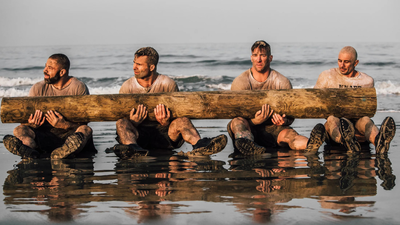
A growing number of men across the United States are paying thousands of dollars to attend intense “masculinity camps” that promise transformation through hardship. These multi-day retreats combine physical suffering with emotional confrontation, offering what organisers describe as a modern rite of passage. From crawling through mud and enduring cold exposure to openly discussing trauma and fears, the experience is designed to break participants down and rebuild them. Supporters say it delivers discipline and clarity, while many participants describe it as a transformative experience that helps them build resilience, confront personal struggles and regain a sense of purpose.
What really happens inside masculinity camps
One of the most prominent programmes is the Modern Day Knight Project, held at a private compound in Southern California. Other similar programmes operate across the US in remote desert or forest locations, as well as private ranches and training facilities. States like California, Texas and Colorado have become key hubs, largely because their landscapes make it easier to organise outdoor, survival-style experiences. Many of these camps run only a few times a year with limited participants, creating a sense of exclusivity and increasing demand.The structure is deliberately extreme. Programmes like the Modern Day Knight Project run for about 75 hours over three days, pushing participants physically and mentally.Participants are put through intense endurance-based activities such as bear crawls, log carries and physically demanding drills. These are often combined with sleep deprivation, strict routines and exposure to harsh conditions like cold water. Some exercises mimic combat-style training or involve isolation and controlled stress scenarios designed to test limits.Alongside the physical strain, there is a strong focus on emotional and psychological work. Participants take part in group discussions about trauma, fear and identity, often guided by facilitators. These sessions can include structured emotional breakdown exercises, journaling and reflection, all aimed at confronting internal struggles. The underlying philosophy is that suffering exposes limits and creates the conditions for personal growth.
The price of ‘transformation’
Costs vary widely depending on the programme. Entry-level retreats are typically priced around $3,000, while high-end programmes like the Modern Day Knight Project can cost up to $18,000.These higher-priced experiences are often marketed as exclusive and selective, with application-based entry processes. They are frequently positioned as being designed for entrepreneurs, executives and high performers seeking a reset.Beyond the programme fee, participants usually incur additional expenses such as travel to remote locations, specialised gear and preparation, as well as optional follow-up coaching or access to private communities.
Who is joining these camps?
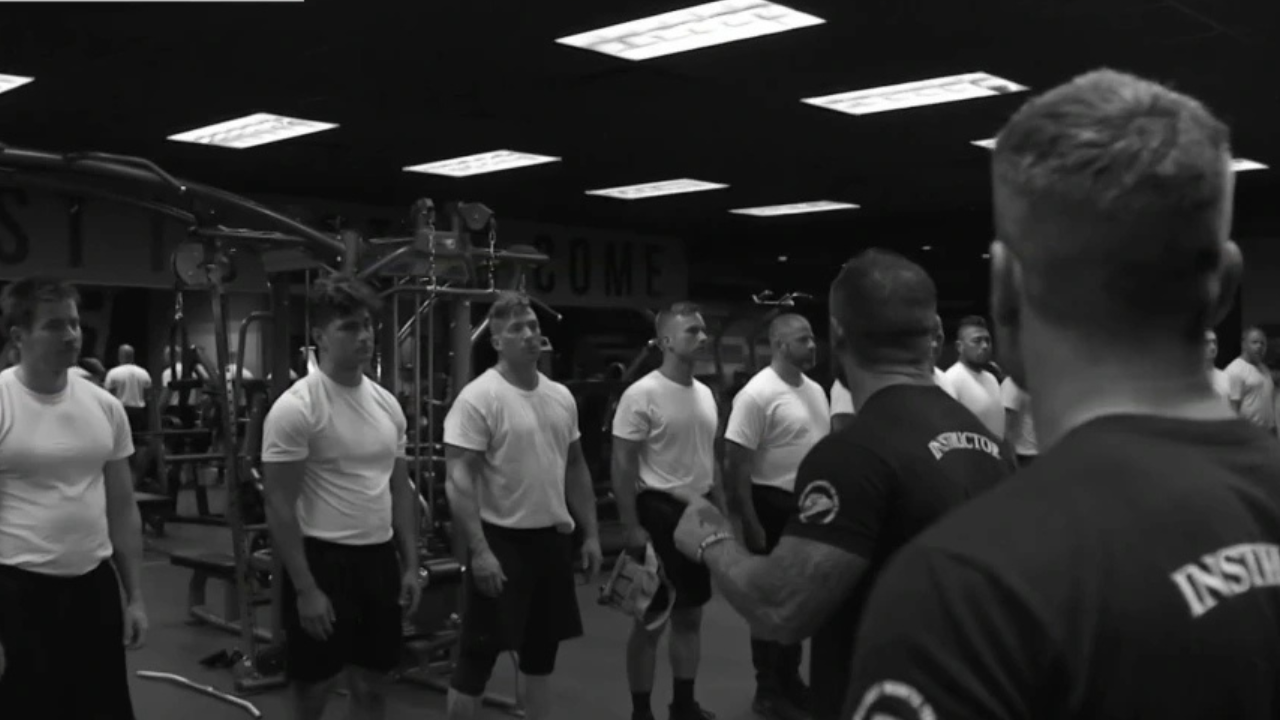
The participants are more diverse than stereotypes might suggest. Many are business owners, corporate professionals or individuals in leadership roles looking to regain focus and discipline. Others include former athletes or military veterans who are drawn to the structured and physically demanding environment.A significant number of attendees are men in their 20s to 50s who feel stuck or directionless. Some are dealing with burnout, lack of purpose, relationship challenges or mental health struggles that they feel traditional therapy has not adequately addressed. These camps are also attracting participants from outside the US, reflecting a growing global interest.
The philosophy behind the pain
Organisers frame these camps as a response to what they see as a loss of structure and meaning in modern life. The messaging often centres on reclaiming discipline, leadership and responsibility, with an emphasis on becoming better partners, fathers and leaders.Shared hardship is a core principle. The belief is that enduring challenges together builds character, increases self-awareness and strengthens bonds between participants. Many programmes position themselves as an alternative to traditional therapy, particularly for men who view conventional approaches as too passive or talk-oriented.
The psychology behind why it works
Despite the controversy, there are recognised psychological factors that help explain why participants report positive outcomes. Intense physical exertion can improve mood and resilience, while shared hardship fosters trust and connection within the group.Male-only environments can make it easier for some participants to open up, particularly when vulnerability is framed within a context of strength and challenge. Structured tasks and clear objectives can also boost confidence and provide a sense of achievement, especially for individuals who feel directionless in their everyday lives.Many participants report emotional breakthroughs, increased discipline and a renewed sense of purpose following the experience.
The criticism and controversy
Not everyone is convinced of the value of these camps. Critics argue that they charge high prices for activities that resemble basic physical labour or fitness training. Others question whether they reinforce narrow or outdated ideas of masculinity rather than offering meaningful growth. Some critics describe the experience as simulated military training or expensive self-help theatre.
A cultural moment, not just a trend
The rise of masculinity camps reflects broader social changes. There is increasing attention on male loneliness, mental health challenges and a sense of identity confusion in a rapidly evolving world.These camps tap into that environment by offering structure, challenge and a sense of belonging. They sit at the intersection of fitness, therapy, coaching and personal development, making them part of a wider shift in how self-improvement is being approached.