


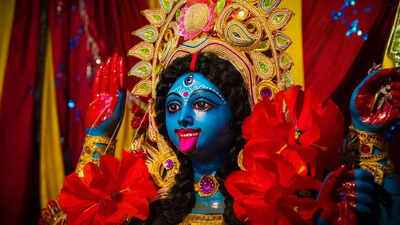
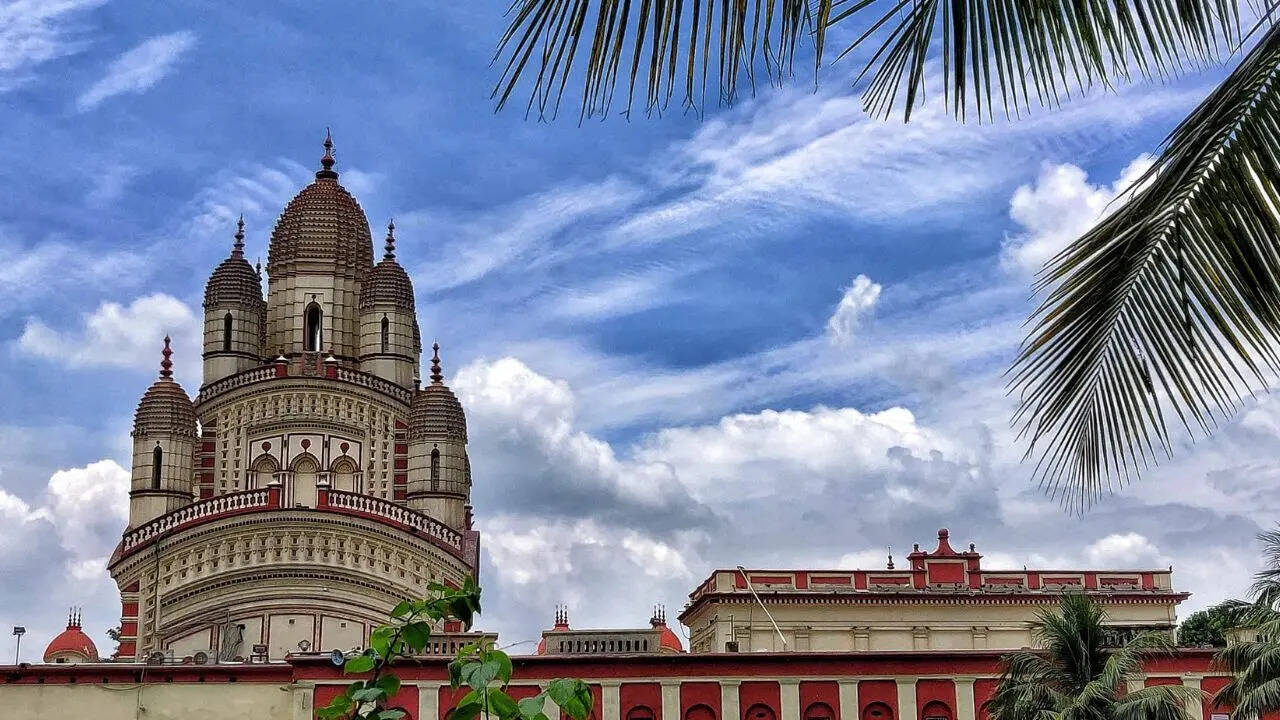
The land where everything feels like a divine blessing from Shakti. From the beauty of flowers to the peacefully flowing river to the chants and chatters, Bengal is a land where the presence of the divine is felt in the air, and for the people living here, Kali is not just a fierce goddess of destruction; rather, she is ‘Maa,’ the divine protector of the universe who stays in this heavenly abode and walks beside her children. Bengal is the land where people worship and celebrate Maa Kali daily, with millions frequenting the Shakti shrines. The Kali temples here boast of the might and glory of Maa Kali and her devotees. Read on to learn more about these untold tales.DakshineshwarBuilt by Rani Rashmoni in 1855, the Dakshineshwar Kali Temple is known for its association with Sri Ramakrishna Paramahansa. However, the untold struggle lies in its inception, when Rani Rashmoni, a low-caste widow, faced immense backlash from the orthodox priestly community, who refused to serve in a temple built by her. The “untold” miracle is that she bypassed this by gifting the temple to her Guru, making it a “Brahmin-owned” property on paper while she remained its soul. It was here that Ramakrishna would literally scream for the Mother to reveal herself, often seen feeding the idol his own food—a “madness” that eventually proved to the world that the stone was alive.
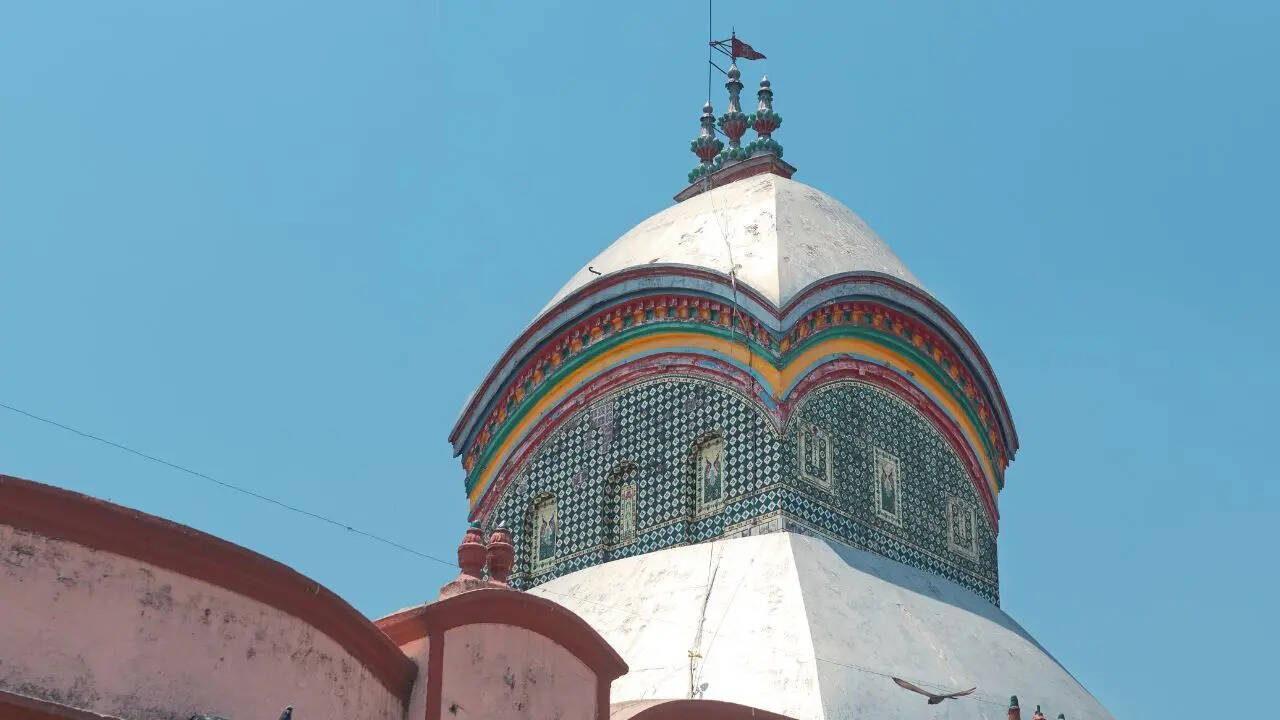
Kalighat:Kalighat is considered the most powerful of the 51 Shakti Peethas, marking the spot where the toes of Sati’s right foot fell. Unlike the full-bodied idols seen elsewhere, the image of Kali here is unique—a black stone block with three massive orange eyes and a long gold tongue. The untold lore suggests that the original “toe” of the goddess is hidden inside a secret silver casket within the pedestal, seen only by the head priests. For centuries, the temple was a dense jungle hideout for the “Thuggee” cults and tantric practitioners before it became the urban heart of Kolkata, yet it retains a primal, raw energy that feels ancient and untamed.
TarapithTarapith, located in Birbhum, is not just a temple but a gateway to the “Great Void.” The idol of Ma Tara is unique; she is depicted nursing an infant Shiva. The untold tale here revolves around the sage Vashistha, who supposedly traveled all the way to Tibet to learn the “Cinachara” (Chinese way) of Tantra to please the Mother. He was told that only at this specific spot in Bengal would she appear in her maternal form to soothe the “poison” of the world. Even today, the temple is inseparable from the burning ghat next to it, where the legendary saint Bama Khepa lived, proving that the Mother is found not in the purity of the ritual but in the fire of the cremation ground.KankalitalaWhile often overshadowed by the “Big Three,” Kankalitala near Bolpur is the fourth essential pillar of Bengal’s Kali worship. It is the site where Sati’s waist (Kankal) fell. The untold beauty of this temple is that there is no traditional idol. Instead, the “Goddess” is a small, sacred pit filled with water that never dries up. Pilgrims worship the reflection of the sky in the water. It represents the “Nirguna” or formless aspect of the Mother. Local legends say that deep within this water lies a stone shaped like a human bone, acting as a direct energetic link to the Earth’s core, making it one of the quietest yet most spiritually intense spots in all of Bengal.