


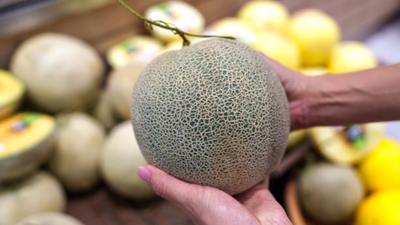
There’s something almost unfair about cantaloupe. It looks clean. It smells like summer. You pick it up in the produce aisle, maybe grab one of those pre-cut trays near the deli section, and you don’t think twice. And why would you? It’s fruit. But cantaloupe has a food safety record that most people have no idea about, and it’s been quietly making people seriously sick for decades.
The rind is the problem nobody talks about
Here’s the thing about cantaloupe that makes food safety experts particularly uneasy. Cantaloupes are “netted” melons, their rough, bumpy rinds make bacteria extremely difficult to remove. That texture that looks rustic and natural is essentially a bacterial hiding spot. Salmonella bacteria are found in animals’ intestines and can spread if their waste comes in contact with fruit in the field. Contamination can come from tainted irrigation water, or from the cleaning and cooling process for the melons. Poor hygiene practices, pests in packing facilities, and equipment that isn’t properly sanitized can all play a role, according to the FDA.And once bacteria get into those grooves, they don’t just sit there passively. The nubby rind harbors nutrients that actually help Salmonella grow. If the cantaloupe becomes moldy or damaged, bacteria can migrate from the outside of the rind into the inner layer, or into the flesh itself. And when the fruit is sliced, whether in a home kitchen, a grocery store, or a processing plant, bacteria can spread directly onto the cut surface. So that pre-cut tray you grabbed for convenience? It’s had more opportunities for contamination than a whole melon sitting on your counter.
What happened in 2023
The FDA and CDC, along with Canadian and US state and local partners, investigated a major outbreak of Salmonella infections linked to recalled cantaloupe. Two samples tested positive for Salmonella Sundsvall, and whole genome sequencing confirmed the strain matched that found in ill people. By the time it was over, the CDC reported a total of 407 illnesses across 44 states. 6 people died. And the contamination had spread into pre-cut fruit mixes showing up at Kroger, Trader Joe’s, ALDI, and Sprouts, among others, the kind of places people shop specifically because they feel safe and reliable.The outbreak didn’t stop there either. In September 2024, Eagle Produce LLC of Scottsdale, Arizona, initiated a recall of 224 cases of whole cantaloupes after routine testing by the State of Michigan revealed the presence of Salmonella. Part of what makes cantaloupe safety so hard to guarantee is where the fruit comes from and how far it travels before it reaches you. The food supply chain for fruits and vegetables is fragmented and globally sourced. Retailers receive produce from thousands of farmers and food producers from all over the world, making it genuinely difficult to prevent all potential foodborne illness from entering the supply chain.Public health officials estimate that Salmonella causes about 1.35 million illnesses, 26,500 hospitalizations, and 420 deaths in the United States annually. Cantaloupe is consistently one of the top produce vehicles for that bacteria. So what can you actually do?
What the CDC and FDA actually recommend
Neither agency is telling people to stop eating cantaloupe entirely. But they are pretty clear about what responsible handling looks like. The CDC recommends four basic food safety steps: wash hands, utensils, and surfaces often; keep cantaloupe away from raw meat and poultry; and refrigerate cut fruit within two hours, or within one hour if it’s been sitting somewhere above 90°F. Food safety researchers also suggest scrubbing whole melons with a produce brush under cool running water before cutting, and drying them completely afterward. The drying step actually matters, bacteria travel more easily on wet surfaces.The bigger task is paying attention to recalls. The FDA maintains an active recall database that’s searchable by product and brand, and signing up for FDA food safety alerts takes about two minutes. It’s not glamorous advice, but the 2023 outbreak spread in part because people had frozen cantaloupe products in their homes long after the initial warning, and didn’t know they were at risk.