


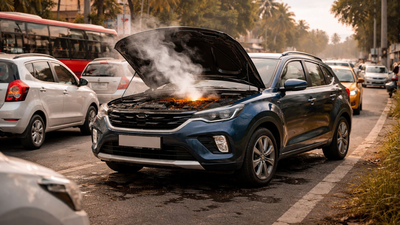
High summer temperatures can put additional strain on vehicles, particularly in India where temperatures in many regions often cross 35-40°C. One of the most common issues drivers encounter during this period is engine overheating. Although modern cars are designed to manage heat more effectively than older models, prolonged exposure to high temperatures, traffic congestion and poor maintenance can still cause the engine to overheat. Understanding the reasons behind overheating and taking preventive measures can help drivers avoid breakdowns and costly repairs.Why do engines overheat?Internal combustion engines produce a large amount of heat during operation. This heat is controlled by a cooling system that circulates coolant through the engine and radiator. During summer, high ambient temperatures and slow-moving traffic can place additional pressure on the cooling system. Common causes of overheating include low coolant levels, blocked radiators, malfunctioning cooling fans and worn-out engine oil. In many cases, overheating occurs when the cooling system is not maintained properly. If heat cannot be dissipated efficiently, engine temperature rises quickly and can lead to serious damage.Check Coolant LevelsMaintaining the correct coolant level is one of the most effective ways to prevent overheating. Coolant absorbs heat from the engine and transfers it to the radiator where it is released. Drivers should check the coolant reservoir periodically, especially before long trips. If the level is low, it should be topped up using the recommended coolant mixture rather than plain water. Using the proper coolant also helps prevent corrosion and deposits inside the cooling system.Inspect the RadiatorThe radiator releases heat from the coolant into the surrounding air. Dust, debris and insects can accumulate on radiator fins over time, restricting airflow and reducing cooling efficiency. Cleaning the radiator can improve performance. Drivers should also check radiator hoses for cracks or leaks, as damaged hoses may cause coolant loss and overheating. Older vehicles may also require periodic flushing of the cooling system and replacement of coolant.Maintain Engine OilEngine oil helps reduce friction between moving parts and also assists in dissipating heat. Low or degraded oil can increase engine temperature. Checking oil levels regularly and replacing oil at recommended intervals can help reduce overheating risks. It is also important to use the grade of oil specified by the manufacturer.Avoid Long IdlingHeavy traffic and long periods of idling are common in many Indian cities and can contribute to rising engine temperatures. Although modern cars are equipped with cooling fans to manage heat during idle conditions, prolonged idling combined with high ambient temperatures can still strain the cooling system. Switching off the engine during extended stops can help reduce heat buildup.Monitor the Temperature GaugeMost cars have a temperature gauge or warning indicator that shows the engine’s operating temperature. Drivers should monitor this gauge, particularly during summer. If the temperature rises above the normal range, the vehicle should be stopped safely to allow the engine to cool down. Driving with an overheating engine can cause significant damage.Check the Cooling FanThe cooling fan pulls air through the radiator when the car is moving slowly or is stationary. If the fan fails to operate, the radiator cannot cool the engine effectively. Drivers should ensure that the fan activates when the engine temperature increases. A malfunctioning fan may indicate issues with the motor, relay or temperature sensor.What to Do if the Engine OverheatsIf the engine temperature rises while driving, the vehicle should be pulled over safely and the engine switched off. Opening the bonnet can help release heat, but the radiator cap should not be opened immediately because hot coolant under pressure can cause burns. The engine should be allowed to cool before checking coolant levels or seeking assistance. Engine overheating can usually be avoided through regular maintenance and monitoring. Keeping the cooling system in good condition and taking precautions during hot weather can reduce the risk of overheating. With temperatures rising during summer, basic vehicle checks and timely servicing can help ensure smoother and safer driving.