


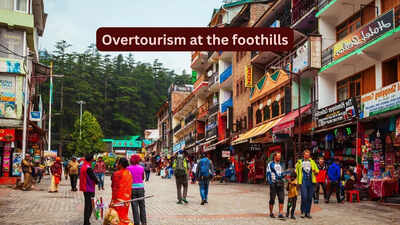
“We do not inherit the earth from our ancestors, we borrow it from our children,” the quote stands true as we celebrate Earth Day today. But how many of us actually understand the true meaning behind this? While images of overcrowded hill stations dominate social media posts and travel feeds, a number of high-altitude villages are steadily losing their population to this immediate danger. The mountains are not uniformly overwhelmed—they are unevenly inhabited.Overtourism in the HimalaysIn India, across the Himalayan belt, a quiet yet persistent migration is underway. Harsh terrain, limited access to healthcare and education, and shrinking livelihood opportunities are compelling residents to leave higher-altitude settlements. In contrast, foothill towns and easily accessible destinations such as Shimla, Manali, and Mussoorie are witnessing a surge in tourist footfall; sometime more than they could bear.During peak seasons, tourist numbers in these towns can swell to several times the local population. The consequences are predictable yet deeply concerning: strained water supplies, overwhelmed waste management systems, prolonged traffic congestion, and visible environmental degradation. In some cases, waste generation exceeds local processing capacity by two to three times. What was once a seasonal strain has now evolved into a year-round crisis.Why the imbalance
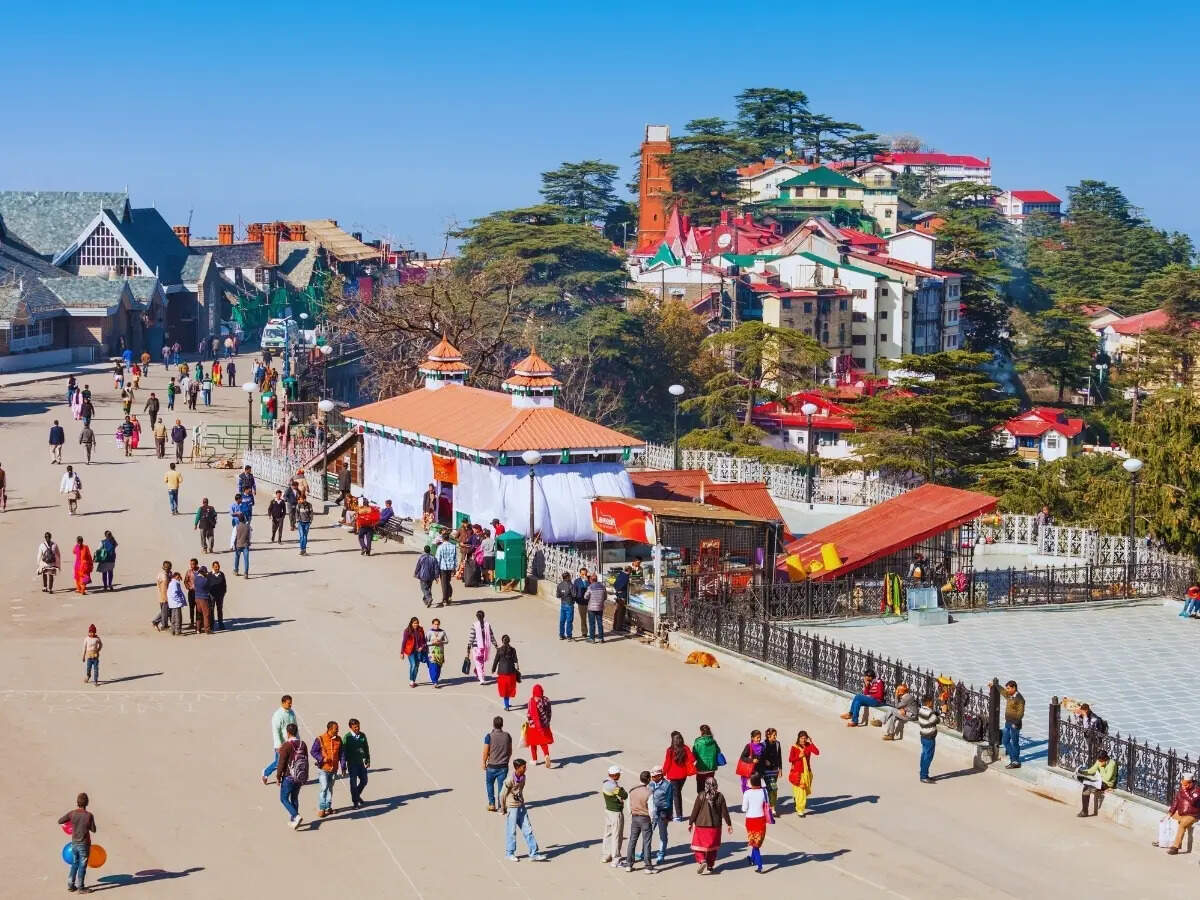
This imbalance is not accidental. Improved road connectivity and the rise of short-duration travel have concentrated tourism in a handful of “popular” destinations. At the same time, digital culture has intensified the trend. Algorithms reward repetition over discovery, directing more travelers toward the same viewpoints, cafés, and attractions. Meanwhile, remote regions—often richer in ecological and cultural value—remain under-visited and underdeveloped.What study says
canva
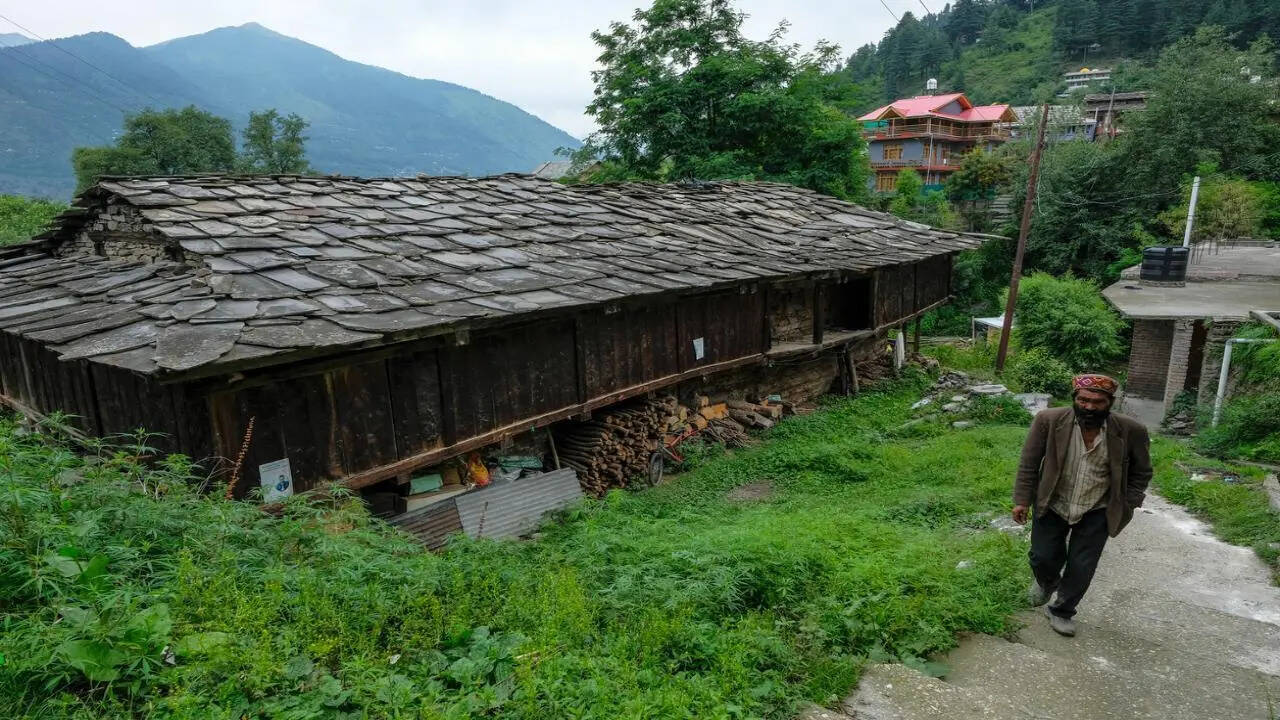
A recent report by the CP Kukreja Foundation for Design Excellence, presented by the Honourable Chief Minister of Arunachal Pradesh, Pema Khandu, underscores a crucial point: the challenge is not tourism itself, but its concentration. The report calls for a more balanced model of development—one that recognizes the diversity of the Himalayan landscape instead of reducing it to a few overcrowded hotspots.As Khandu noted during the launch, protecting the Himalayas requires aligning development with ecological realities. This involves rethinking where and how tourism infrastructure is built, and ensuring that local communities are meaningfully included in the tourism value chain. Without such a shift, the very landscapes that draw visitors risk irreversible damage.The implications extend beyond environmental stress. Cultural landscapes are equally vulnerable. As residents migrate away from remote villages, traditional knowledge systems—ranging from indigenous architecture and farming practices to water conservation methods—begin to disappear. When tourism is overly concentrated, it often replaces these systems instead of sustaining them.So, what might a more balanced approach look like?Possible solution
Canva
It begins with redistributing tourist flows through thoughtful regional planning—developing travel circuits rather than focusing on single destinations. It requires investment in infrastructure in lesser-known areas, not to replicate mass tourism, but to encourage low-impact, community-led models. Crucially, it also demands defining and enforcing carrying capacities in already saturated locations.The Himalayas are not an endless backdrop for travel photography. They are a fragile, living system where ecological and human processes are deeply intertwined. Recognizing this complexity is the first step toward ensuring that tourism does not become a force of depletion.The story of “overtourism at the foothills” is also a story of absence—of emptying peaks, fading communities, and missed opportunities for more equitable growth. On Earth Day, it serves as a reminder that sustainability is not just about reducing impact, but about distributing it wisely.