


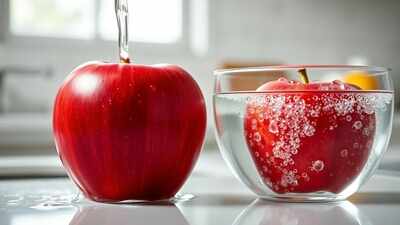
It is simply part of the process: Get a carton of strawberries or a bag of gleaming apples from our shopping bags, briefly rinse them under cold running water, shake them once, and serve them on a plate. We do this to clean off the dust from the journey and the dirt left by others who have touched the fruits before us. It seems sufficient. The reality, however, based on the science of contemporary farming, could not be farther from the truth.A quick shower may not wash away all residues as most pesticides available today are rain-fast. They have been specially formulated to resist the effects of harsh showers in the fields. If heavy rains will not be able to wash them off, then using water from your tap surely won’t be effective. Understanding how pesticides adhere to fruits is the key to cleaning them effectively.How pesticides adhere to fruits – The science behind itOne thing is for sure; using plain water may not cut it especially when talking about the surface of the fruit itself. Most fruits including apricots and plums have natural wax layers on their skins which make them hydrophobic. The nature of pesticides makes it easy for them to adhere to such waxy layers.In the journal Food Chemistry, addresses a problem of great concern: pesticides that have become integrated in the fruit’s cuticle make it difficult to remove the contaminants through regular washing. The authors reveal that the efficacy of water rinses is sometimes inadequate in removing integrated pesticides. They investigate the effectiveness of ozone microbubbles in eliminating the persistent molecules from fruits in comparison with water rinsing and report that removal percentages have reached as high as 70%.This discovery holds significance in daily cooking practices since it indicates that, failing to break the chemical bond, you are likely simply washing away surface soil with residues remaining inside. While not everyone has access to ozone machines, understanding the limits of water should help in selecting more effective ways of cleaning, such as rubbing harder fruits.
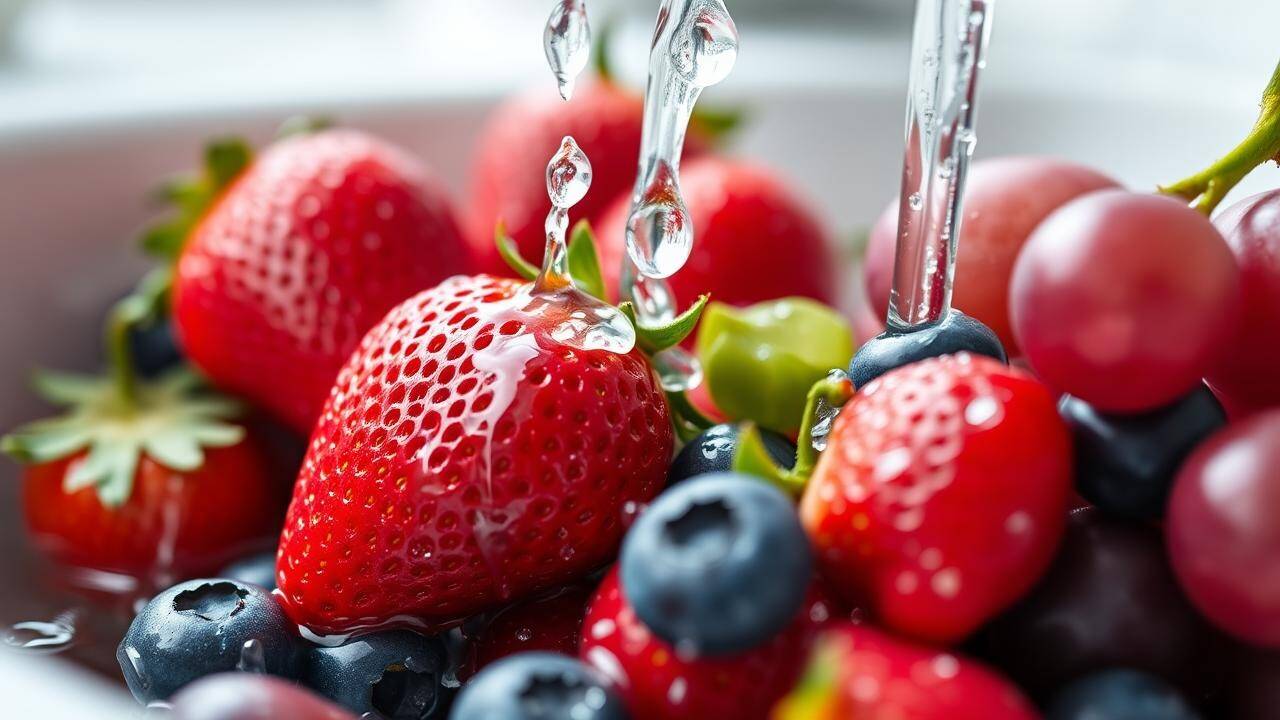
Instead of soap, which can be absorbed, vigorous rubbing with running water or using a produce brush for firmer fruits is recommended for effective cleaning.
Selecting proper cleaning methods instead of using soapThe immediate reaction when people find out that water alone cannot do the trick is to use detergent or soaps to clean produce. However, by doing this, you risk your health since fruits are very porous substances. As per the FDA recommendations published in Selecting and Serving Produce Safely, they might end up absorbing the chemicals from the soap, resulting in a less than healthy fruit.Instead of chemical cleaners, the secret to a safer wash might be sitting in your pantry. The Selecting and Serving Produce Safely guide suggests that the most effective way to clean produce is under running water while physically rubbing the surface. For firm produce like melons or cucumbers, using a clean produce brush is recommended to dislodge the residues that water alone ignores.Curiously, there are some home remedies that tout baking soda, although according to FDA authorities, mechanical processes such as scrubbing and rubbing remain the safest means of reducing both residue and surface bacteria, which does not introduce any additional chemicals to the equation. Therefore, rinsing rigorously using running water and physical scrubbing proves a superior substitute for any cleaning detergent.Effective fruit hygiene depends on being strategic with how you treat your produce. If you have tougher produce like melon or cucumber, then the appropriate strategy will be using a clean brush to get rid of anything that could be adhering to the surface. In the case of delicate fruits, the right strategy would be to give them a proper hand rub before rinsing off carefully. Rather than relying on a simple rinse, choose scientifically sound practices such as effective scrubbing.