


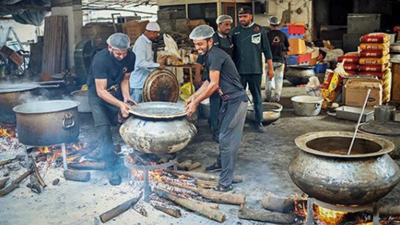
Death, black marketing, theft, hotels overcharging, restaurants shutting down causing job losses – shortage of LPG cylinders due to the ongoing conflict between Iran and the US and Israel is upending lives and livelihood in a multitude of ways across the country. Domestic LPG cylinder prices are being blackmarketed at double the rates – Rs 1,400 normally, Rs 2,800 now – in Tamil Nadu. About 40% eateries in Kerala and 30% in Karnataka have temporarily shut down, hotel associations of these states say. At Hingna industrial estate near Nagpur, over 70% MSMEs claimed to face serious operational difficulties due to restrictions of commercial LPG cylinders and rising fuel prices. In TN, consumer helplines received 70 calls related to overcharging at hotels and tea shops citing gas crunch. In Thiruvanthapuram’s Chalai market area, a thief was spotted on CCTV walking away with a commercial cylinder from a hotel. There’s much more. The iconic 200-year-old Sri Ganesh Temple in Secunderabad has stopped distribution of annadanam and prasadam. Sweets cooked in high temperature flames – labanga latika, kalojaam, pantua, darbesh, among others – are off the shelves in Kolkata. So are dishes like handi biryani, mutton rezala, and dal makhani, which take more time to cook, from restaurant menus in the eastern megapolis. In schools and colleges, menus too are being trimmed. In Bhopal, a crippling shortage of commercial gas cylinders has forced the town’s premier educational institutions such as National Law Institute University and Indian Institute of Science Education and Research to slash hostel meals. It is a similar story in competitive coaching hub Kota town in Rajasthan. Several hostels and mess operators have downsized the menu, stopped serving snacks, and shifted to cooking in coal wherever possible. A hotel of Bharwad community in Gujarat reduced the number of rotis being served to students from 700 to 300. In Kolkata, Desun Hospital has temporarily restricted its menu to vegetarian and egg-based meals since non-vegetarian dishes generally require more fuel, said CMD Sajal Dutta. The effort is to prioritise the needs of patients over everybody else. At Sehna village in Punjab’s Barnala district, Bhushan Kumar, 60, was customer number 25 among 125 who had queued up for a LPG cylinder at 5am. At 7.50am, he collapsed. He was taken to hospital but died on the way. In several tea stalls in Chennai, prices were hiked from Rs 3 to Rs 5. In Mogappair and Anna Nagar, the price of a glass of tea was hiked from Rs 12 to Rs 15 and coffee from Rs 15 to Rs 18. Vendors said the revised prices would remain until the gas issue settled. “Commercial gas now costs as much as Rs 5,000. We are also unsure about when we get a refill,” a vendor said. Hoteliering was hit hard in Kerala. “The worst hit are the eateries in urban hubs like Kochi and Thiruvananthapuram, where fire-safety norms and congested buildings make switching to traditional firewood impossible. Out of the nearly one lakh hotels, small and big, nearly 40% have downed shutters,” said N Abdul Razzak, general secretary, Kerala Hotel & Restaurant Association. Families and small eateries across the country were adopting various methods to cope with the situation. In Punjab, dhabas are moving to earthen chulhas. This has increased demand for wood and coal. Some families are opting for small tandoors and kerosene stoves. Demand for induction cooktops has spiraled in Kanpur’s Maniram Bagiya market, which has more than 150 shops selling electrical goods, according to Manoj Mehgani, president of Maniram Bagiya Electric Market.